
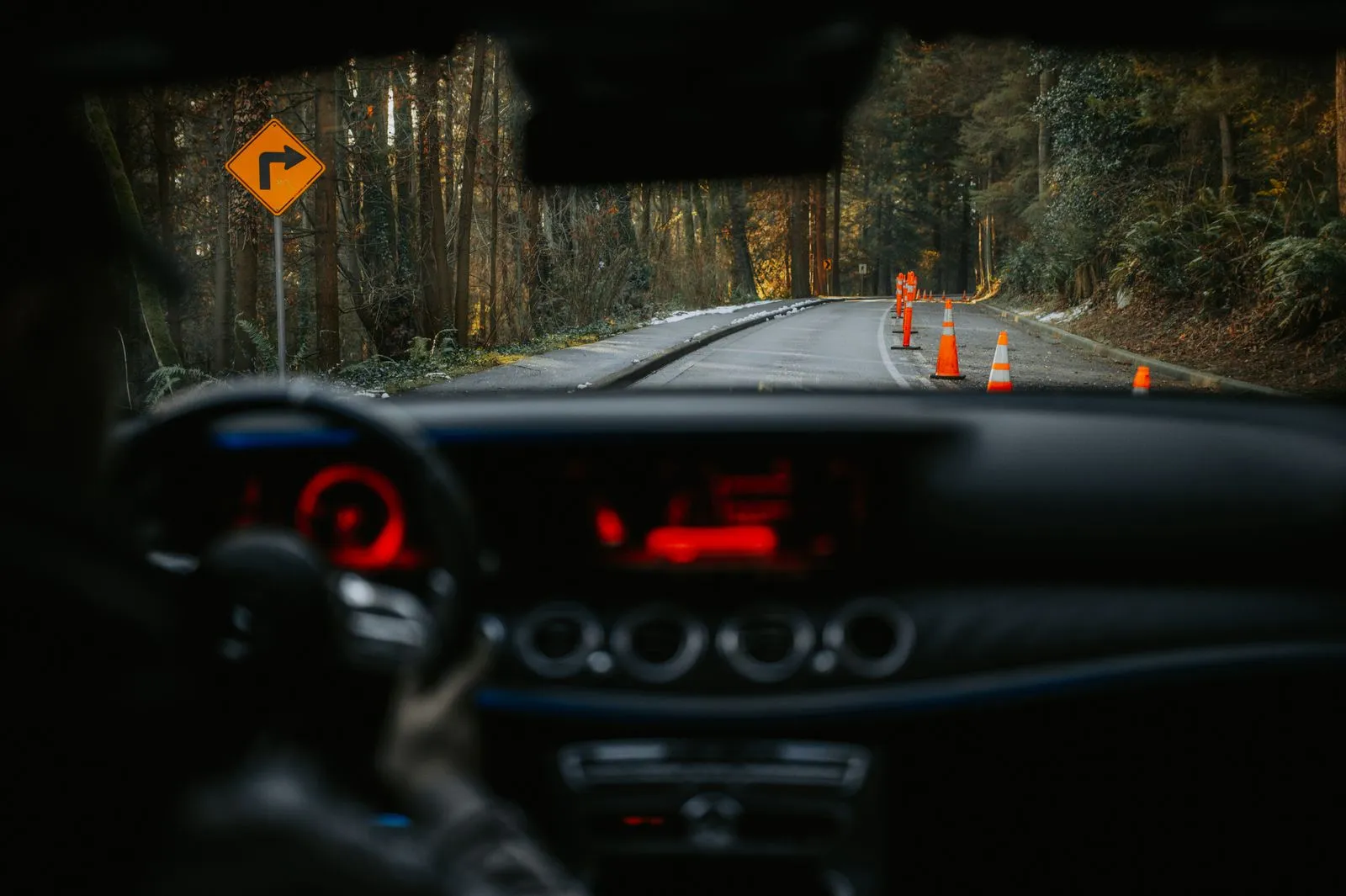
Progress does not have to stop when a driving lesson ends. A few focused minutes away from the car can help you remember road signs, notice developing hazards, and prepare for the next session. Keep your practice connected to what you have already covered with your instructor, rather than trying to learn everything at once. These simple routines can strengthen your understanding without replacing supervised, on-road experience.
Review Signs in Context
Choose a small group of signs from a recent lesson or a route you know. Use a reliable current driving theory resource to check each sign’s meaning, shape, and color. Then ask yourself what action it calls for: slowing down, changing position, giving way, or looking for a restriction. Linking a sign to a decision makes it easier to recall than memorizing its name alone.
When travelling as a passenger or walking, notice signs without trying to direct the driver. Identify the sign, explain its meaning to yourself, and consider what a learner should look for next. Do not use your phone or distract the driver. If you are unsure about a sign, make a note and check it later using an authoritative source.
Build Hazard Awareness
Practise scanning short clips from a reputable hazard-perception learning resource. Look for clues that something may change: a pedestrian near the curb, a vehicle edging out, a cyclist approaching a junction, or brake lights several cars ahead. Pause before the situation develops and say what could happen next. The aim is to spot clues early, not to guess dramatically or react to every movement.
You can also practise as a passenger by quietly scanning the road ahead and naming possible risks in your head. Consider what might emerge from behind parked cars or what a turning vehicle could obscure. Keep your attention on the real journey and leave the driver’s decisions to them. This observation practice supports awareness, but it is not a substitute for developing judgement behind the wheel with an instructor.
Turn Feedback into Goals
After each lesson, write down the points you remember while they are still fresh. Keep the notes specific: for example, “check mirrors before signalling” or “reduce speed earlier on approach to the junction.” Separate what went well from what needs work. If a comment is unclear, ask your instructor to explain it at the next lesson rather than practising an uncertain interpretation.
Choose one or two priorities for your next drive. Before the lesson, read them and picture the steps involved, such as checking mirrors, signalling when appropriate, and positioning safely. Afterward, note whether you improved and what still needs attention. A short, consistent record helps you and your instructor see patterns without turning every drive into a test.
Keep Practice Focused
Set a manageable routine, such as reviewing a few signs or one feedback point at a time. Use a notebook or approved learning resource, and return to topics that still feel uncertain. Avoid cramming or relying on unverified social media advice; road rules and test guidance should come from dependable, up-to-date sources.
Keep off-road study separate from practical driving. Do not practise driving manoeuvres without suitable supervision, and do not let study materials distract you when you are a passenger or pedestrian. Bring your questions to your instructor so they can connect your preparation to safe decisions on the road.
A focused review between lessons can make each new drive more purposeful. Revisit signs, practise noticing hazards, and turn instructor feedback into one or two clear priorities. Keep your preparation safe and grounded in trusted guidance, then discuss any uncertainties with your instructor. Northline Driving can help you plan your next step when you are ready to continue.