
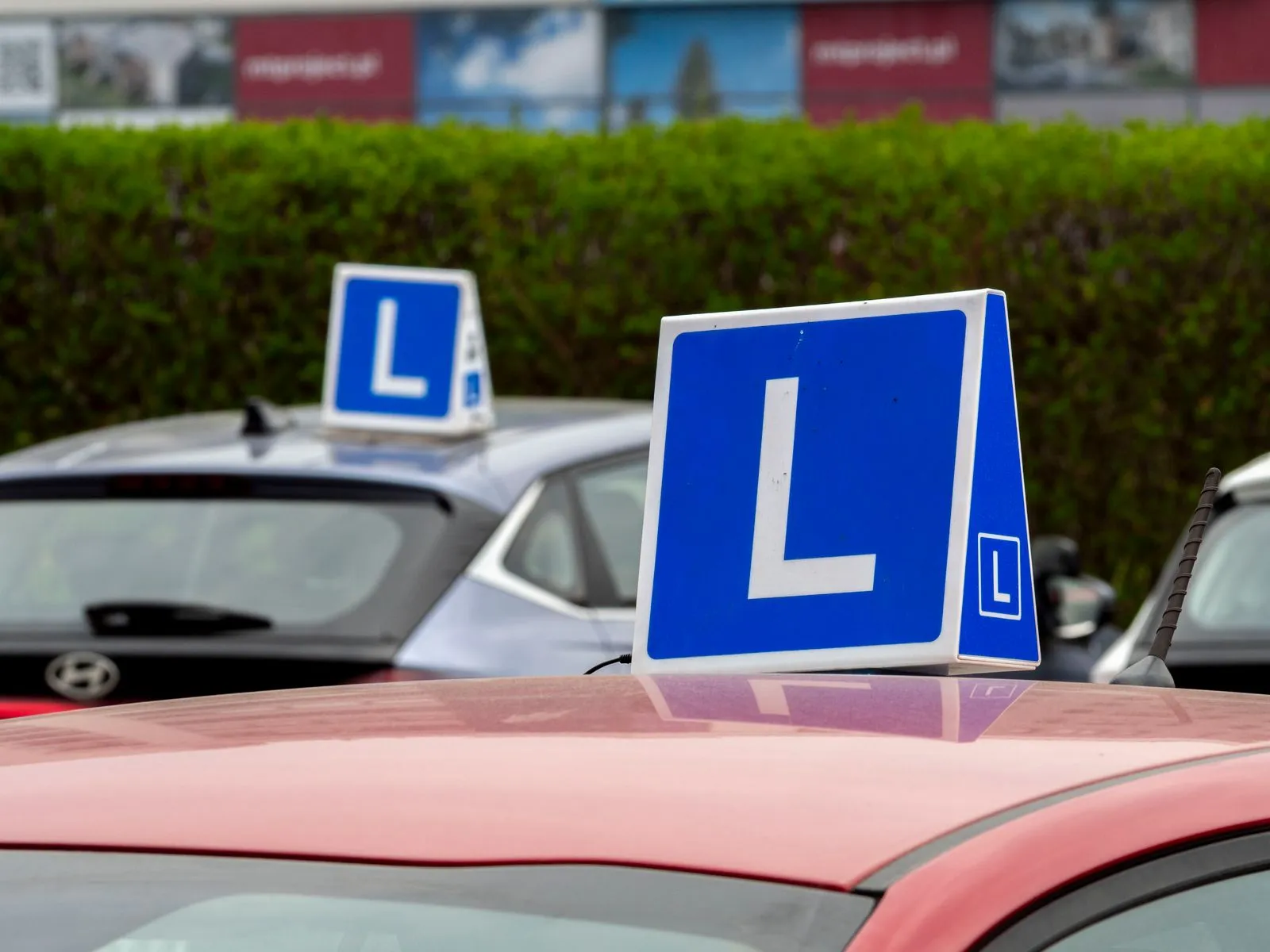
Your first driving lesson is a chance to get familiar with the car and learn at a manageable pace. You do not need to arrive knowing how to drive. A little preparation can make the session feel more straightforward: bring the right documents, wear practical clothing, and tell your instructor what you are unsure about. Knowing what may happen during the lesson can also help you focus on each step rather than worrying about the whole experience.
What to Bring and Wear
Bring your valid provisional driving licence so your instructor can confirm you are permitted to drive. Check that the details are correct and keep the licence somewhere easy to reach. If you have a lesson confirmation or any instructions from the school, have those available too. You usually do not need to bring special equipment, but ask ahead if your instructor has requested anything specific.
Choose comfortable clothes that let you move freely, along with flat shoes with a thin sole. Avoid bulky footwear, high heels, or shoes that make it hard to feel the pedals. Bring glasses or contact lenses if you need them to meet the eyesight requirements for driving. Arrive a few minutes early, use the restroom beforehand, and bring water for after the lesson.
What Your Instructor May Explain
Your instructor will likely begin by checking your licence and asking about any relevant experience, concerns, or access needs. They may introduce the car’s main controls, including the pedals, steering wheel, indicators, mirrors, and gear selector. Expect an explanation of how to adjust the seat and mirrors so you can reach the controls comfortably and see clearly.
Depending on your confidence and the conditions, the first session may include basic car control in a quiet area. Your instructor can explain how to start and stop, steer smoothly, and use the controls safely. They should give clear directions and build the lesson around your progress. Ask them to repeat or demonstrate anything that is not clear before you try it.
Settle In Behind the Wheel
Before moving off, take a moment to adjust the seat, head restraint, and mirrors. Make sure you can press each pedal fully without stretching and can turn the steering wheel comfortably. Put away your phone and remove anything that could interfere with the pedals. These small checks create a more secure starting point and give you time to get used to the driver’s seat.
Feeling nervous is common, and you do not have to hide it. Tell your instructor if you feel tense, need a slower explanation, or would like a short pause. Listen to one instruction at a time, and ask questions when you need to. If something feels difficult, treat it as information to work on—not a sign that you cannot learn.
Try to get enough rest and leave plenty of time to reach the meeting point. Avoid cramming driving videos or advice right before the lesson; too many unfamiliar tips can make simple tasks feel complicated. Focus on staying observant and communicating with your instructor. Afterward, note what felt comfortable and what you would like to practise next time.
A successful first lesson does not mean mastering everything at once. Bring your provisional licence, wear suitable shoes, and give yourself time to settle into the car. Your instructor can guide you through the controls and adjust the pace to your needs. When you are ready to begin, contact Northline Driving to ask about arranging a lesson.